
Okay, so check this out—I’ve been poking around web wallets for Solana a lot lately. Whoa! The promise is huge. But the experience can be messy. My instinct said: be careful, and learn the details before clicking “Connect”.
Seriously? Yes. Browser-based wallet flows feel slick, but there’s nuance. Medium-level security decisions happen in the background. Initially I thought the extension was enough, but then realized web flows introduce new attack surfaces. On one hand convenience wins; on the other hand you really must watch for phishing and rogue frames.
Here’s the thing. Wallet adapters make life easier for dapp devs. They standardize how sites call wallets to sign messages and transactions. Hmm… sometimes the API hides complexity, and that can give users a false sense of security. So let’s break down what actually happens when you use a web Phantom interface with a Solana dapp.
First, connection. Short bursts: “Connect” is more than a click. Whoa! The dapp requests permission to see your public key. That part is benign. Next it may ask you to sign a message to authenticate—this proves control of the account without exposing private keys.
Transaction signing is where things get tricky. Seriously? Yes. A dapp sends a serialized transaction or message, your wallet inspects it, and you approve or deny. If you approve blindly, you might sign instructions you don’t understand. Take a breath; review each instruction, not just the amount or label.
Now, here’s a more technical aside (oh, and by the way…)—Solana’s wallet ecosystem typically uses the Solana Wallet Adapter interface. This abstraction exposes methods like connect, signTransaction, and signAllTransactions. Initially I thought every implementation would show clear human-readable summaries. Actually, wait—let me rephrase that—many do, but some dapps and wallets differ slightly, and that inconsistency matters.
Browser extension vs in-page web wallet. Hmm… short version: extensions isolate keys better. Extensions run as separate contexts; they mediate page requests and you get permission prompts. In-page web wallets can be convenient for ephemeral sessions, but they often rely on injecting providers or opening popups, which changes the threat model.
On balance, I prefer extensions for everyday use. I’m biased, but it’s because extensions reduce the exposure of your seed to random page scripts. That said, mobile and web wallet combos are improving fast, and the user experience is getting very very polished. Still, don’t get lazy with confirmations.
Hardware wallet support? Yes, absolutely valuable. Whoa! If you can pair a Ledger or similar, do it. Hardware devices keep private keys offline and require physical confirmation for each signature. That dramatically lowers the risk of a malicious web page draining funds. Long story short: if you hold significant assets, pair a hardware wallet and force yourself to read before pressing the physical button.
Let’s talk phishing. Seriously—phishing is the number-one risk on the web. Attackers clone dapps, trick users into approving fake transactions, and sometimes even spoof the UI. My gut feeling said “that dropdown looks off”, and that intuition saved a tiny wallet a few times. Practically, always check the domain and verify the URL bar. If somethin’ feels off, back out.
Domain verification and UI cues help. Wallets that show the domain requesting access, origin details, and a transaction breakdown reduce risk. On the other hand, some extensions don’t show enough detail. So the extra step is to hover, inspect, and cross-check transaction payloads if you can. Long sentence: it’s tedious, but it beats losing funds because you trusted a pretty interface.
Developer note: dapp authors should adopt the Solana Wallet Adapter ecosystem and show clear intent labels. Users benefit when dapps include plain-English descriptions of why they need signatures. Initially I thought most dapps did this well; on reflection, too many still skimp. This part bugs me—good UX can be secure UX.
Quick workflow for users. Whoa! Step one: install a reputable wallet extension or use an audited web wallet. Step two: connect only to known dapps and check the URL. Step three: when asked to sign, read the operation. Step four: for large transactions, use a hardware wallet. Do that and your risk profile drops dramatically.
Okay, some practical tips for interacting with Solana dapps through a web Phantom-like interface: 1) Look for a clear request modal. 2) Prefer signTransaction over signing arbitrary messages unless you know why. 3) Limit approvals—never grant unlimited allowances unless it’s unavoidable. 4) Revoke unused allowances and connections periodically.
Now, here’s an honest aside—wallet UI design is improving, but it’s inconsistent. Hmm… sometimes permissions are grouped, sometimes they’re granular. On one hand granular controls empower users. On the other hand they can confuse people who just want to buy an NFT quickly. Trade-offs everywhere.
Technical deep-dive: transaction structure. Short sentence: transactions contain instructions. Medium: Each instruction targets a program with accounts and data. Long: When you sign, you’re attesting to those instructions and the account changes that will occur, so wallets that decode instruction intents and show human-friendly labels offer better security than those that show only raw bytes.
Integration patterns for devs. Whoa! Use the wallet adapter’s reconnect flows and handle user rejection gracefully. Show a clear nonce or message for auth flows so users can see why a signature is requested. And if you’re building an exchange-like feature, consider server-side transaction assembly with client-side signing to reduce attack surface.
Remember session management. Seriously: sessions can persist permission between visits. If a dapp gets excessive permissions, it can act on your behalf until you revoke it. So check connections in your wallet settings and disconnect dapps you no longer use. It takes a minute, and it’s worth it.
Privacy note: web wallets disclose public keys and sometimes account metadata to dapps. That can be used to fingerprint you across services. Hmm… it’s not the end of the world, but be mindful of which dapps you connect to frequently. Use separate accounts for trading vs casual exploration if privacy matters to you.
Concluding—but not closing—thoughts. I’m not 100% sure the web-only wallet will replace extensions soon, though trends point that way. On the other hand, hybrid flows (mobile + web) are getting popular, and they offer strong UX. I’m excited and skeptical at the same time.
A quick recommendation
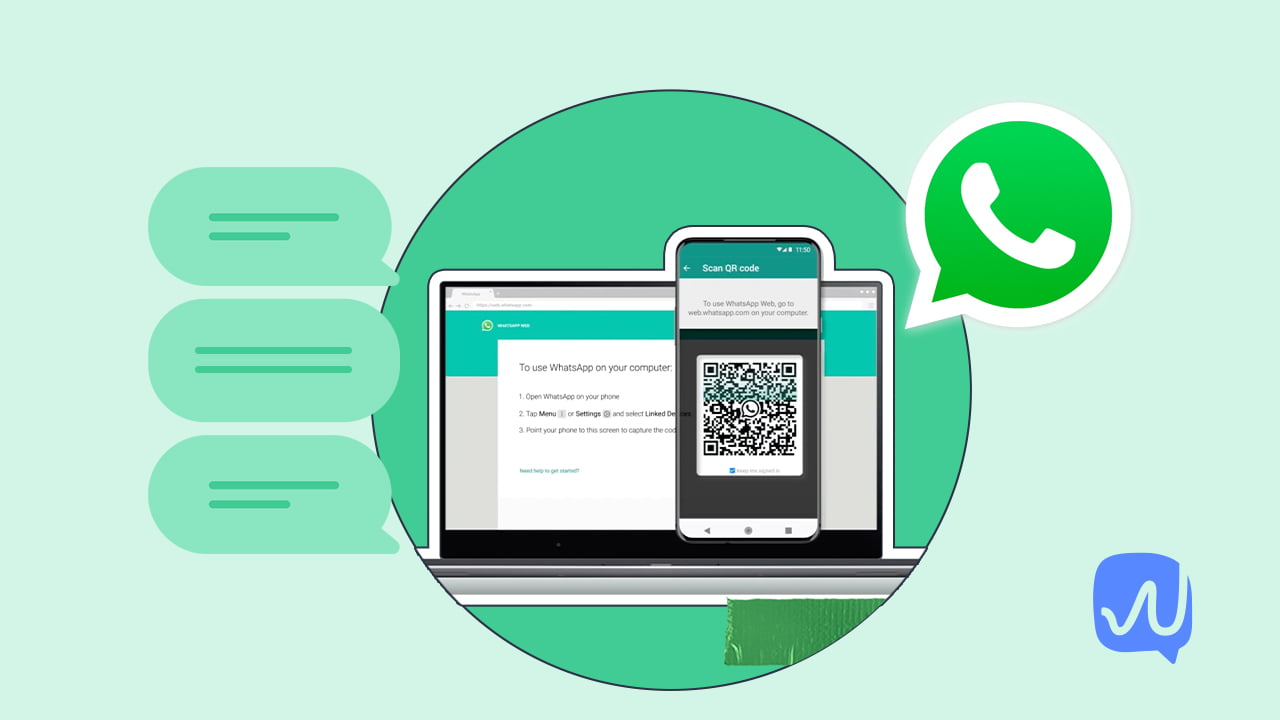
If you want a web experience that feels like Phantom, try a reputable browser option and always cross-check permissions. For a smooth bridge between phone and browser, the phantom wallet style flows let you approve transactions quickly while still seeing enough detail to be safe. Honestly, use a hardware device for big moves and keep casual browsing to small, disposable accounts.
Final human nitpick: this space moves fast. Expect UX changes, new protections, and somethin’ new next month. I’m biased toward pragmatic security, and that usually means a small extra step now to avoid a big headache later. So yeah—connect, but be smart, read, and don’t rush approvals.
FAQ
Can I use Phantom entirely in the browser without an extension?
Yes, some web interfaces offer in-page wallet experiences or pop-up flows. But extensions tend to isolate keys better. If you choose a web-only wallet, verify the provider is audited and that it makes the origin and transaction details explicit.
Is using a hardware wallet worth it?
Absolutely for significant balances. Hardware devices keep keys offline and require physical confirmation for each signature, which blocks remote attackers. Pair it with your web wallet for the best of both worlds.
How do I spot a phishing dapp?
Check the URL, verify the domain, look for HTTPS, and confirm the wallet’s permission modal shows the correct origin. If the UI prompts for unexpected approvals or the domain looks slightly off, close the tab and investigate. Trust your gut—if somethin’ looks weird, it probably is.
Recent Comments